The Charm of First Child
Mind being mind playing its tricks on families forcing parents to have a quiet bias towards the first child

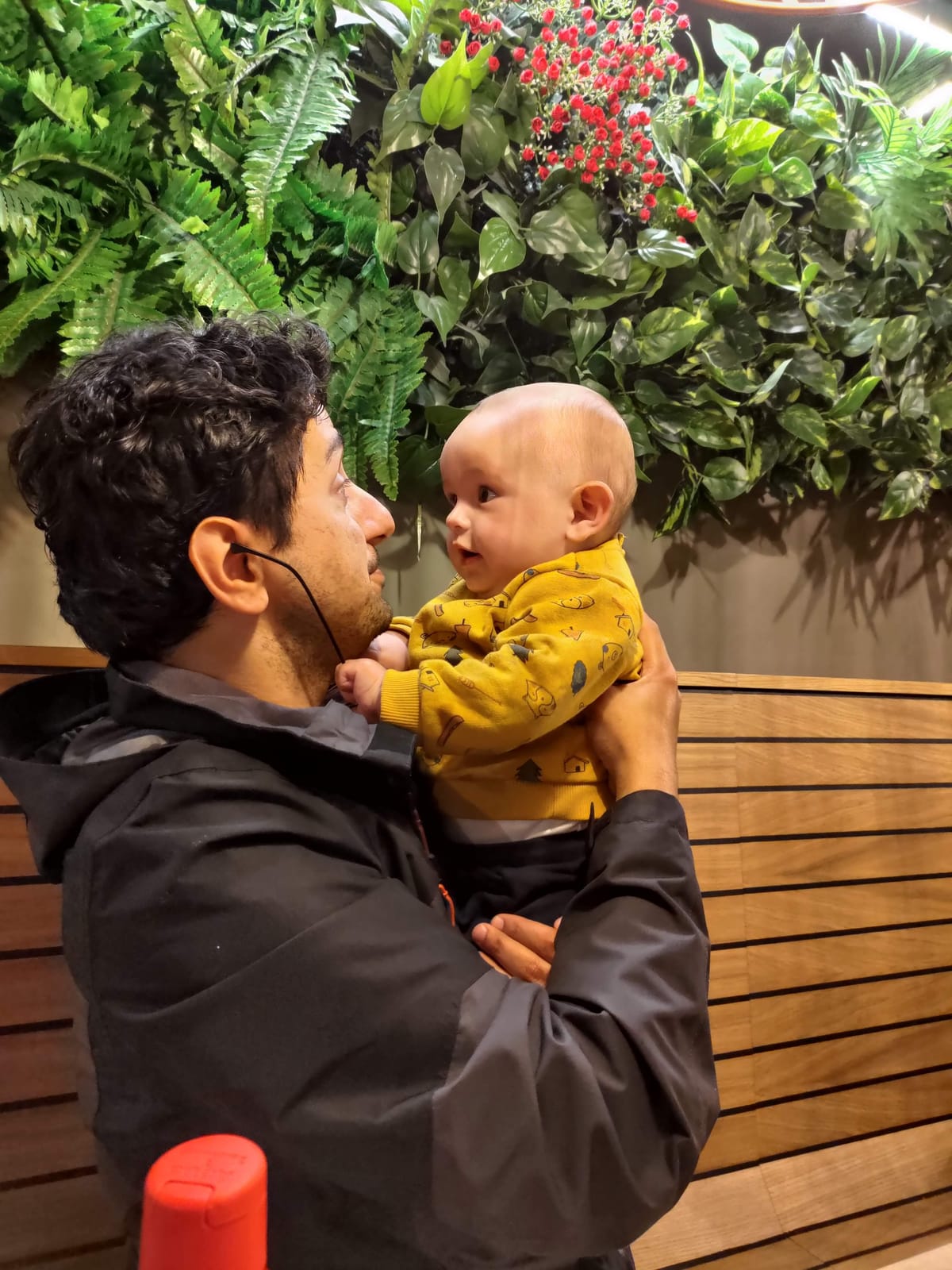
It is almost a curse to be the second child of your parents. Why do I say so?
From my lived experience, it seems there is an inherent bias in how parents treat two children.
It is not the parents’ “fault” in a moral sense. I’m sure many parents would agree that it just seems to happen naturally.
But how?
When you feel a particular joy for the first time, that moment tends to stay with you. Your first lovemaking, your first time bunking college, the first trip you take your parents on—these “firsts” carve themselves into memory.
Now imagine an even more ecstatic feeling: becoming a parent for the first time. How would that feel? Would it be unforgettable? Most likely, yes.
And then, two or three years later, after you have poured all your love and attention into your first child, you have another child. How does it feel then?
Becoming a parent for the second time—will it be as ecstatic?
Probably not, and you can guess why.
Your first child introduced you to that experience. You felt something extraordinarily beautiful and almost otherworldly, for the very first time.
The mind, being the mind, does not release the same storm of chemicals on the second occasion. At the birth of the second child, the mind might whisper, “So what? I’ve felt this before.”
Real-life examples
I am the first child in my family, and I can clearly see how my mother is biased towards me. The best fruits are reserved for me, and so on.
Being a sensitive child, even while receiving this special treatment, I sometimes feel for my younger brother. How tough it must have been for him to grow up in my shadow!
All the new toys, clothes, and books were for me. The same, now-used toys, clothes, and books were passed on to him. Coming from a lower-middle-class family, I can’t really blame my parents. It was the most practical thing to do.
My theory found another example in my partner’s family. The same pattern. One night, my mother-in-law confessed to me helplessly, “What could I have done? It was not in my control.” Then she added, “The first child is and will always remain special.”
See how a small quirk of the mind plays out in the real world. How it can leave scars on real people. How two siblings start to resent each other and grow bitter over the years.
The root cause may be just this: the mind not feeling the same intensity the second time. But the consequences can be drastic.
Your first child introduced you to that experience. You felt something extraordinarily beautiful and almost otherworldly, for the very first time.
Conclusion
What does this teach us?
When we begin to see the bigger picture—how our inner patterns shape our outer lives—we may become more forgiving, understanding, and compassionate toward one another. Parents might become more conscious. Firstborns might be kinder. Second-borns might see that some of this was never truly about them.
In the end, we are all children of the same source.
Questions/Enquiries
Here are some questions and gentle self-inquiries you could ask:
- If you are a firstborn: How might your “specialness” have shaped your sibling’s inner world—and how might you meet them differently now?
- If you are a second (or later) child: When you look back, what did you make your parents’ bias mean about your own worth? Is that story still true?
- If you are a parent: Can you notice, without self-judgment, where your attention or tenderness tilts more toward one child? What would a small, concrete act of “rebalancing” look like this week?
- For all of us: In what other areas of life do your “firsts” quietly receive more reverence than your “seconds”—and who or what pays the price for that?